Ballet in China
Introduction
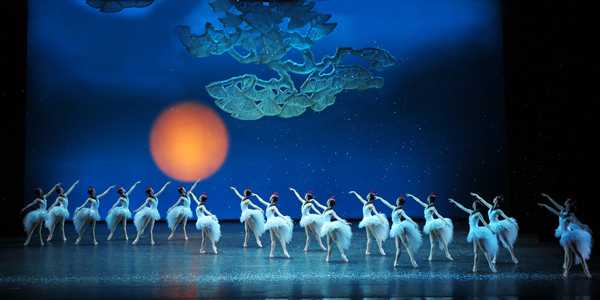
Ballet in China represents a unique blend of traditional Chinese cultural elements with Western ballet techniques. Over the decades, it has grown from faithfully reproducing classic Western ballets to creating original productions that reflect Chinese cultural narratives.
The evolution of ballet in China is marked by significant milestones, including the establishment of the National Ballet of China, the integration of local artistic expressions, and the crafting of ballet pieces that resonate with national identity and historical contexts.
The Development of Chinese Ballet
The growth of ballet in China can be traced back to the 1950s.
The ballet-themed photo exhibition at the China Cultural Center in Paris, titled "Ballet in China - 60 Years of Inheritance and Development of National Ballet of China", highlights this journey through photographs, costumes, and video displays, showcasing the development of Chinese ballet over the past six decades.
Milestones in Chinese Ballet
National Ballet of China: Established in 1959, the National Ballet of China has been at the forefront of ballet development in the country. The company initially focused on reproducing Western classics like "Swan Lake" but gradually transitioned to creating original Chinese ballet pieces such as "The Red Detachment of Women".
Integration of Cultural Elements: The Chinese version of "The Nutcracker", choreographed by Feng Ying and Wang Yuanyuan, is a prime example of integrating Chinese cultural elements with Western ballet. Set against the backdrop of the Spring Festival, it features symbolic Chinese motifs, including the 12 animals of the Chinese zodiac and temple fairs. The production has toured internationally, gaining acclaim for its inventive blending of cultures.
Original Productions: Chinese ballet has expanded its repertoire to include original works that reflect Chinese stories and cultural heritage. Notable productions include "Raise the Red Lantern", which combines ballet with Chinese folk dance and Peking Opera, and "Yimeng - A Ballet in Three Chapters", inspired by the historical narratives of the Yimeng Mountain.
Notable Figures in Chinese Ballet
Dai Ailian: As the first president of the National Ballet of China, Dai Ailian played a crucial role in shaping Chinese ballet. Her efforts laid the foundation for the company's future development and success.
Bai Shuxiang: Celebrated for her role as the white swan in the Chinese performance of "Swan Lake", Bai was instrumental in the early success of Chinese ballet on the international stage.
Chun Wai Chan: A pioneering Chinese dancer, Chan made history as the first Chinese soloist in the New York City Ballet. His journey underscores the intercultural exchange between Chinese and US ballet communities.
Ballet Productions and Innovations
The Nutcracker
The National Ballet of China’s adaptation of "The Nutcracker" is a significant production that incorporates traditional Chinese elements into the classic ballet. Premiered in Beijing in 2000, it transposes Tchaikovsky's score against the vibrant backdrop of the Spring Festival, China's most significant traditional festival. The ballet is noted for its creative choreography, which fuses Western ballet techniques with Chinese cultural symbols.
Red Detachment of Women
"Red Detachment of Women" is one of China's first original ballet productions. Premiered in 1964, it tells the story of Wu Qionghua, who escapes a life of slavery and joins an all-female Communist Party army battalion led by commander Hong Changqing on Hainan Island during the civil war in the early 1930s.
The ballet remains a cornerstone of Chinese ballet repertoire and has been performed globally over 4,000 times. It is celebrated for its portrayal of Chinese history and female empowerment, capturing the spirit and resilience of Chinese women.
Raise the Red Lantern
Adapted from Zhang Yimou's acclaimed film, "Raise the Red Lantern" premiered as a ballet in 2001. The production merges Western ballet with Chinese folk dances and opera, offering a fusion of artistic styles that appeal to diverse audiences. Directed by Zhang Yimou himself, it exemplifies the creative collaboration between ballet and other art forms in China.








